

Turkey Self-Guided (GPS) Audio Walking Tour, Istanbul - Historical Peninsula Old City
About this English self-guided 1h:51m walking tour in Istanbul
Hello and welcome to this UCPlaces Tour of Istanbul. This is part one of a two-part walking tour of the Historical Peninsula, a city where East meets West in a captivating blend of ancient history and modern vibrancy. As you embark on this enchanting journey, the air is filled with the rich aromas of exotic spices and the echoes of a millennium of stories. Today we will explore the Old City.
Istanbul, straddling the continents of Europe and Asia, unfolds like a living museum, revealing its treasures at every turn. From the iconic minarets that punctuate the skyline to the bustling bazaars that awaken the senses, this city is a mosaic of cultures, a meeting point of civilizations, and a testament to the enduring spirit of a place where the past seamlessly intertwines with the present. Join us as we navigate the labyrinthine streets, unveiling the hidden gems and timeless wonders that make Istanbul a truly magical destination.
We will begin today in front of the iconic Blue Mosque, otherwise known as the Sultanahmet Mosque. There is a large parking lot here just off Torun Street, by the Hotel Sultanahmet Palace. There is also a bus stop here as well as a rail stop If you took public transportation.
Everybody ready to get started? Great! Follow your navigation and Let’s get started.
- 1For the best experience, begin at the tour's recommended starting point and follow the stops in order.
- 2Want to start somewhere else? Simply use Start At on the tour screen, before tapping Start Tour, to begin from any stop.
- 3Need to detour or skip a stop along the way? Tap Tour Assistant (
![UCPlaces AI Bot Icon]() ) to use Force Play, Skip, and Back, for full flexibility.
) to use Force Play, Skip, and Back, for full flexibility.
 ) to use Force Play, Skip, and Back, for full flexibility.
Route Preview
- Category
- Language
- Mode

Places (POIs) visited during this tour

Sultan Ahmet, Sultanahmet, 34122 Fatih/İstanbul, Türkiye
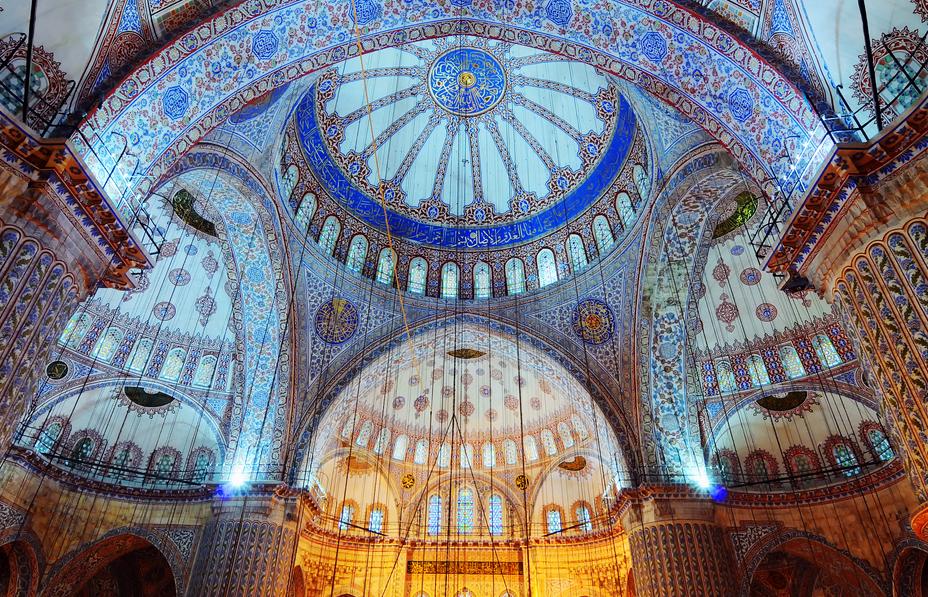
The mosque derives its popular name from the stunning blue tiles that adorn its interior, creating an atmosphere of celestial beauty. The exterior is a marvel of cascading domes and six slender minarets, a feature that sparked controversy at the time as it equaled the number of minarets at the Grand Mosque in Mecca.
If you wish to go inside, you will likely see a line forming of those wanting to go in. No tickets are required and so long as there is no prayer taking place, you are free to visit.
As you step inside, the vast prayer hall unfolds, bathed in a serene blue hue, showcasing intricate tile work, stained glass windows, and a breathtakingly detailed mihrab (prayer niche). This location in the wall that points to Mecca and indicates where congregants face during a service.
There are over 20,000 bluish tiles that were used to adorn the interior of the mosque.
The pillars that hold up the interior of the mosque are also a unique feature. They are much larger and grander than those of other mosques.
The central dome, supported by four massive pillars, adds to the mosque's grandeur.
Surrounding the mosque is a beautifully landscaped courtyard, offering a peaceful respite amidst the lively streets of Istanbul, which we will explore and talk about shortly.
The Blue Mosque remains an enduring symbol of the city's rich history and cultural significance, drawing visitors from around the world to marvel at its architectural splendor and spiritual ambiance.
Ok, it’s onto our next place on today’s tour. We will be exploring the surrounding areas and
Sultanahmet Square.
Read More
Sultan Ahmet, Torun Sk. 117-1, 34122 Fatih/İstanbul, Türkiye
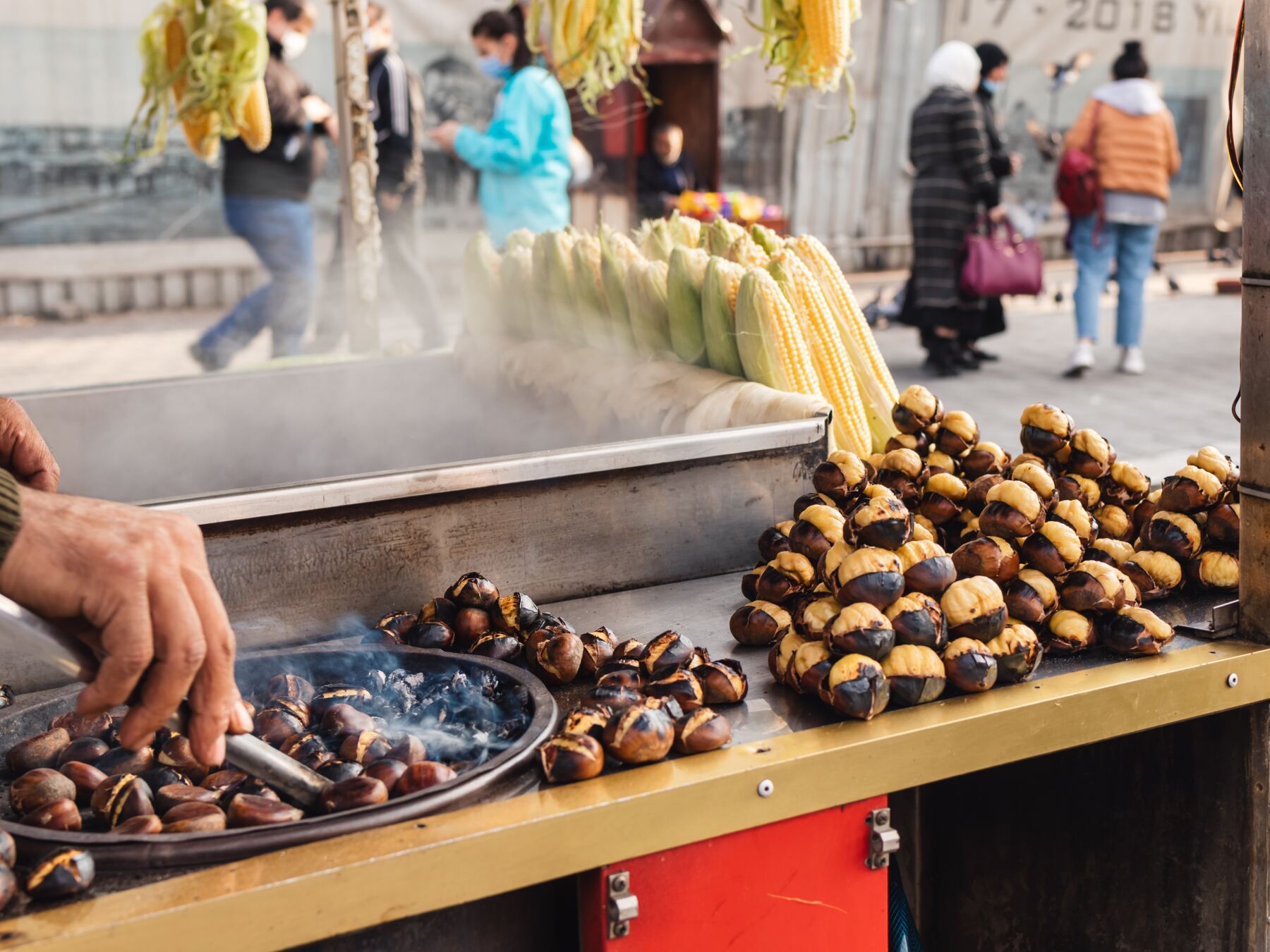
By now you have probably noticed the food vendors. One of the most iconic sights is the simit seller. Simit is a sesame-crusted bread similar to a bagel, often sold from red carts. It's a popular snack among locals and tourists alike.
Kebap and Döner Stands are very common as well. These vendors offer quick and delicious meals, including skewered meat (kebap) and döner (meat cooked on a vertical rotisserie, served in wraps or sandwiches).
During colder months, you’ll find vendors selling roasted chestnuts and corn on the cob, adding warmth to the chilly air. Vendors often sell seasonal fruits and freshly squeezed juices, particularly pomegranate and orange juice.
You will also see plenty of vendors selling Clothing and Accessories. Street merchants often sell a variety of textiles, including scarves, shawls, and sometimes traditional Turkish clothing items like fez hats. You’ll also find merchants selling imitation designer handbags, watches, and sunglasses. These items are popular among tourists but come with varying levels of quality.
Art and Souvenirs and souvenirs are popular, from hand-painted ceramics to intricate jewelry, street merchants often offer a range of traditional Turkish handicrafts. These make for unique souvenirs.
While more commonly found in shops, some merchants display smaller rugs and carpets on the streets. These items can be both decorative and functional.
You might stumble upon vendors selling a mix of old and new books, including those in various languages. These stalls can be a treasure trove for book lovers. Some merchants specialize in selling small antiques, such as old coins, stamps, and other curiosities, adding a historical touch to your shopping experience.
Istanbul’s streets are often filled with the sounds of live music, from traditional Turkish melodies played on the saz (a stringed instrument) to modern performances.
You may also encounter dancers, especially those performing the traditional whirling dervish dance, as well as artists creating on-the-spot portraits or caricatures.
Many shoeshiners set up shop on busy streets, offering to polish and clean shoes. They are known for their ornate, brass shoeshine stands.
For those who believe in fortune telling, magic, or myths, you might want to visit some street merchants offer fortune-telling services, often reading palms or using coffee grounds to predict the future.
Read More
Place 1
Sultanahmet Mosque
Place 2
Street Merchants
Place 3
Sultanahmet Square
Place 4
Hippodrome
Place 5
Theodosius and Walled Obelisk
Place 6
Alman Çeşmesi Fountain
Place 7
Milion Stone
Place 8
Basilica Cistern
Place 9
Hagia Sophia Museum
Place 10
Fountain of Ahmed III
Place 11
Topkapi Palace and Topkapi Palace Museum
Place 12
Archaelogical Museums of Istanbul
Place 13
Tram System
Place 14
Turkish Bath
Place 15
Column of Constantine
Place 16
Beyazit Camii
Place 17
Grand Bazaar
Place 18
Turkish Cuisine
Place 19
Story TIme
Place 20
Beyazit Tower
Place 21
Suleymaniye Mosque and Complex
Place 22
Urban Legends
Place 23
Hookah Culture
Place 24
Spice Bazaar
Place 25
Galata Bridge
Place 26
Eminönü Square
Place 27
Yeni Camii